
Cost Range: $20,000 - $100,000+
2025-10-23
Restoring Classic Cars: Budget Tips
As you embark on the exciting journey of classic car restoration, understanding the financial implications can make all the difference. What if you could not only breathe new life into a vintage vehicle but also do it wisely? Here's what you need to consider before you turn the key on your next project.
What You Will Learn
- Restoration costs can range from $20,000 to over $100,000, varying by the car's condition and location.
- Labor costs typically range from $75 to $150 per hour; consider DIY versus professional help based on your skills.
- Parts and materials can vary widely in price; OEM parts ensure quality, while used parts can offer savings.
- A full restoration budget should include engine rebuilds, transmission overhauls, and paint jobs, which can exceed $10,000.
- Market value is influenced by demand, rarity, and condition; thorough research is essential before restoration.
- Long-term maintenance costs post-restoration include routine services and parts replacement, so budget accordingly.
- Insurance is vital for classic cars; look for policies with agreed value coverage to protect your investment.
Classic Car Restoration: Cost & Time Overview
Understanding the financial and time investments for classic car restoration is crucial for any enthusiast. The visual below outlines the average costs and timeframes, breaking down key components to help you plan your project effectively.
Restoration Project Averages
Time Investment: 6 months to several years
Market Trends: Prices fluctuate by demand
Key Cost Influencers
Labor Costs: $75 - $150 per hour
Paint Job: $1,500 - $10,000+
Parts: Varies (OEM, Aftermarket, Used)
Understanding the Financial Aspects of Classic Car Restoration
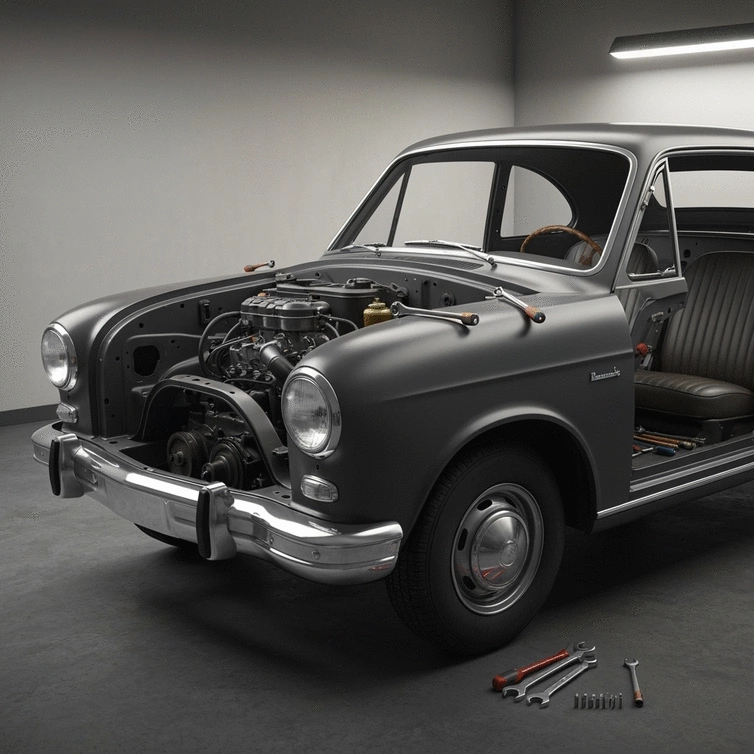
Restoring a classic car can be a thrilling adventure, but it's critical to understand the financial aspects involved before diving in. From labor costs to parts and materials, having a clear grasp on what to expect can help prevent unexpected surprises down the road. As someone who's spent countless hours in the garage and witnessed the ups and downs of restoration projects, I can attest that a well-planned budget is essential for success!
With that in mind, let's explore the average costs associated with classic car restoration and how you can estimate a realistic budget for your dream project.
What is the Average Cost of Restoring a Classic Car?
The cost of restoring a classic car can vary widely based on several factors, including the car's condition, the extent of the restoration, and your location. On average, restoration projects can range from $20,000 to $100,000 or more. This variability is explored further by sources like Hillbank USA, which highlights the significant investment involved. Understanding the breakdown of these costs is crucial for effective budgeting.
- Restoration Projects: $20,000 - $100,000+
- Time Investment: 6 months to several years, depending on the project
- Market Trends: Prices fluctuate based on demand for specific makes and models
These figures should serve as a starting point for your budgeting process. Remember, being informed about potential expenses can help you make better decisions and avoid overspending!
Labor Costs: Breaking Down the Expenses
Labor costs can account for a substantial portion of your restoration budget. Depending on the complexity of the work, you might pay anywhere from $75 to $150 per hour for professional help. Whether you decide to tackle the project yourself or hire a skilled mechanic, understanding how labor impacts your total costs is vital. For additional insights on balancing DIY and professional help, Obrella offers advice on restoring a classic car affordably.
- DIY Restoration: Saves on labor but requires time and skill
- Professional Shops: Higher cost but often results in quality work
- Negotiating Rates: Consider discussing flat fees for extensive projects
As you assess labor expenses, think about your own skill set and how much value hiring a professional might bring to your restoration project.
Parts and Materials: Understanding Your Price Range
The next significant expense in restoring a classic car is sourcing parts and materials. Depending on the model, parts can range from relatively inexpensive to quite costly. I've found that certain components, like body panels or engine parts, can be especially pricey!
- OEM Parts: Often pricier but ensure quality and fit
- Aftermarket Parts: Usually more affordable but may vary in quality
- Used Parts: A potential goldmine for savings if you know where to look
Keep an eye on local salvage yards and online marketplaces to find great deals on parts. Exploring these options can help stretch your restoration budget further!
Estimating the Full Restoration Budget
Now that we’ve covered the basics of costs, let’s get into how to estimate the full restoration budget. This is crucial for planning your project and ensuring you stay within your financial limits!
Identifying Key Restoration Components
A successful restoration project typically involves several key components. Understanding what you'll need can help you estimate costs more accurately. Here's a list of elements to consider when budgeting for your restoration:
- Engine Rebuild: Expect significant investment here
- Transmission Overhaul: Often necessary for reliable performance
- Suspension Upgrades: Essential for handling and safety
- Interior Restoration: Upholstery and dashboard repairs can add up
- Exterior Work: Bodywork and paint are often the most visible costs
Each of these components can vary dramatically in price, so be prepared for both expected and unexpected expenses!
Budgeting for a Classic Car Paint Job
One of the most significant visual aspects of a restoration is, of course, the paint job! Depending on the quality and complexity of the finish, a paint job can range from $1,500 to over $10,000. Here are a few things to keep in mind:
- DIY vs. Professional: DIY can save money, but quality may suffer
- Type of Paint: Specialty finishes can be more expensive
- Preparation Work: Ensure the body is well-prepared to avoid future issues
Investing in a quality paint job not only enhances the vehicle's aesthetic appeal but can also increase its resale value, making it a worthy consideration.
Assessing Classic Car Value: Factors Influencing Restoration Costs
When planning your restoration budget, it's essential to assess how various factors influence the overall value of classic cars. Some cars are more desirable than others, which can directly affect your investment. For a deeper dive into the economics, sources like eFinancialModels offer insights into the true cost of car restoration.
Understanding the Market Value of Vintage Cars
The market value of vintage cars fluctuates based on demand, rarity, and overall condition. It's wise to do your research on the specific make and model you plan to restore. Here are some market dynamics to consider:
- Popularity: Cars with strong enthusiast followings often maintain higher values
- Rarity: Limited production models usually command a premium
- Condition: Cars with clean titles and minimal rust are more valuable
Staying informed about market trends can help you make smarter financial decisions about your restoration project, keeping you aligned with your goals at The Auto Enthusiast Hub!
Pro Tip
Before embarking on your classic car restoration journey, create a detailed project timeline. This not only helps in managing your budget more effectively but also sets realistic expectations for completion. Break down each phase of the restoration—such as engine work, body repairs, and painting—into manageable tasks with estimated timelines. This approach can keep you motivated and help track your progress more easily!
Embracing the Journey of Classic Car Restoration
Restoring a classic car is more than just a project; it's a passion-driven journey that connects you to the rich history of automotive culture. As you dive into the restoration process, you'll find joy in every turn of the wrench and every brush of paint. There’s something incredibly rewarding about breathing new life into a vehicle that has stories to tell. Have you ever felt that thrill as the engine roars back to life after years of silence? It’s moments like these that remind us why we love this hobby!
At The Auto Enthusiast Hub, I often share stories from fellow car lovers who embrace this journey. Each restoration project is unique, filled with challenges and triumphs that create lasting memories. Whether you're working on a vintage Mustang or a classic VW Beetle, the emotional investment is a big part of what makes it worthwhile!
The Emotional Investment in Restoring a Classic Car
When you take on a classic car restoration, you're not just investing money; you're pouring your heart and soul into it. Every scratch you fix and every upgrade you make contributes to your connection with the car. This emotional bond can make the entire process incredibly fulfilling!
- Personal Growth: You'll learn new skills and gain valuable insights.
- Community Connection: Engaging with other enthusiasts can lead to friendships and valuable tips.
- Legacy Creation: Restoring a car can be a way to pass down history to the next generation.
As you reflect on your restoration journey, remember that it’s not just about the end result but also about the experiences along the way. Each challenge you face builds resilience and expertise that will serve you in future projects!
Long-Term Maintenance Costs Post-Restoration
Once your classic car is restored and gleaming in the sunlight, it’s essential to think about the future. Long-term maintenance can add to your expenses, and planning for these costs is crucial. What should you expect after you’ve poured your time, effort, and resources into that beauty?
- Regular Maintenance: Oil changes, tune-ups, and other routine services.
- Parts Replacement: Some components may need to be replaced more frequently in older vehicles.
- Storage Costs: Proper storage can prevent damage and deterioration.
Budgeting for these costs will ensure that your classic car remains in excellent condition for years to come. I always advise fellow enthusiasts to keep a maintenance log, which can help track expenses and remind you of upcoming service needs!
Planning for the Future: What to Expect After Restoration
After you finish restoring your classic car, don’t forget to set aside a budget for future repairs and maintenance. Expecting the unexpected will help you keep your vehicle running smoothly and looking great. Think about it as a way to protect your investment!
Understanding Classic Car Insurance and Its Implications
Insurance is another aspect to consider when embracing the journey of classic car restoration. Classic cars often require specialized insurance coverage due to their unique value and the potential for higher replacement costs.
- Agreed Value Coverage: Ensures you get the full value of your car in case of a total loss.
- Limited Mileage Policies: Often lower premiums for classic cars that aren't driven daily.
- Specialty Insurance Providers: Look for companies that specialize in classic car coverage.
Before hitting the road, it’s wise to secure the right insurance policy that matches your unique needs. This way, you can enjoy your classic car with peace of mind!
Frequently Asked Questions (FAQs) About Classic Car Restoration
Q1: What is the average cost range for restoring a classic car?
A1: The average cost can range from $20,000 to over $100,000, depending on factors like the car's initial condition, the extent of the restoration, and geographical location.
Q2: How much do labor costs typically contribute to a restoration budget?
A2: Labor costs are a significant portion, generally ranging from $75 to $150 per hour for professional services. This can be reduced if you choose to do some work yourself.
Q3: What are the main types of parts to consider when budgeting for a classic car restoration?
A3: You'll typically consider Original Equipment Manufacturer (OEM) parts for quality, aftermarket parts for more affordable options, or used parts for potential savings, especially in salvage yards or online marketplaces.
Q4: What key components should be included in a full restoration budget?
A4: A full budget should account for engine rebuilds, transmission overhauls, suspension upgrades, interior restoration (upholstery, dashboard), and exterior work (bodywork, paint job).
Q5: How much should I budget for a classic car paint job?
A5: A classic car paint job can range from $1,500 to over $10,000, depending on the desired quality, type of paint, and the amount of preparation work required.
Q6: How does market value influence restoration costs?
A6: Understanding market value, influenced by demand, rarity, and condition, helps you make informed financial decisions. Restoring a more valuable or sought-after model might justify a higher investment.
Q7: What long-term costs should I anticipate after my classic car is restored?
A7: Post-restoration costs include regular maintenance (oil changes, tune-ups), potential parts replacement due to the vehicle's age, and proper storage to prevent deterioration.
Q8: What type of insurance is recommended for a restored classic car?
A8: It is advisable to seek specialized classic car insurance, particularly policies with "agreed value coverage," which ensures you receive the car's full appraised value in case of a total loss. Limited mileage policies can also offer lower premiums.
Recap of Key Points
Here is a quick recap of the important points discussed in the article:
- Restoration costs typically range from $20,000 to $100,000+, depending on the car's condition and the extent of the work.
- Labor costs can vary significantly, with professional services charging between $75 to $150 per hour.
- Sourcing parts can be a major expense; consider using OEM parts for quality, aftermarket parts for affordability, or used parts for savings.
- Key components to budget for include engine rebuilds, transmission overhauls, suspension upgrades, and paint jobs, which can range from $1,500 to over $10,000.
- Understanding market dynamics is crucial; factors like popularity, rarity, and condition can influence your car's overall value.
- Plan for long-term maintenance costs after restoration, including regular maintenance and potential parts replacement.
- Ensure you have the right insurance coverage, such as agreed value coverage, to protect your investment in your classic car.

Local Car Key Replacement Services
Classic Car Bodywork Restoration Guide
Finding Event Tickets and Car Parts
Classic Car Paint Color Guide
Selecting Tools for Car Customization