Welcome to The Auto Enthusiast Hub. Ignite your passion for cars with expert insights, restoration guides, and the latest tech. Drive your inspiration!
The classic car restoration landscape is undergoing a remarkable transformation, driven by a blend of tradition and innovation. As automotive enthusiasts dive deeper into this evolving realm, it’s essential to grasp the trends and technologies reshaping their beloved hobby. Here’s what you will learn about the future of classic car restoration.
What You Will Learn
Growing interest among younger car enthusiasts emphasizes the desire for vintage aesthetics combined with modern functionality.
Technological advancements like 3D printing and digital diagnostics are revolutionizing the restoration process, enhancing both accuracy and efficiency.
Environmental considerations are prompting restorers to adopt eco-friendly practices and materials in their projects.
Digital restoration tools facilitate better project management, from accessing detailed schematics to tracking progress, ensuring smoother workflows.
Anticipated trends include increased automation and smarter technologies, paving the way for a more efficient and sustainable restoration future.
Classic car shows foster community engagement, allowing enthusiasts to network, share knowledge, and inspire each other with innovative techniques.
Classic Car Restoration: Modern Trends and Innovations
The landscape of classic car restoration is rapidly evolving, driven by changing consumer preferences and technological advancements. This visual highlights the key shifts and future trends shaping this exciting field.
Driving Forces Behind Shift in Vintage Car Restoration
Consumer Preferences
Desire for classic aesthetics with modern functionality and reliability.
Technological Innovations
Advanced diagnostics and digital tools for efficient restoration.
Environmental Considerations
Growing demand for sustainable materials and eco-friendly practices.
Digital Accessibility
Online resources, forums, and communities fostering knowledge sharing.
Increased use of sustainable materials and methods.
AI Diagnostic Tools
Advanced AI for better performance analysis and issue identification.
3D Printing Rare Parts
Enhancing restoration accuracy for hard-to-find components.
Smart Tech Integration
Integrating modern safety and performance features into classics.
The Evolution of Classic Car Restoration in the Modern Era
As an automotive enthusiast, I've witnessed firsthand how classic car restoration has transformed over the years. It’s fascinating to see how consumer preferences and technological advancements drive the change in vintage car restoration. Today, we find ourselves at a crossroads where traditional skills meet innovative techniques. This blend not only preserves the legacy of classic vehicles but also enhances their appeal for new generations. The classic car market trends indicate a strong and growing interest.
One major factor influencing this evolution is the growing interest among younger car lovers. They’re looking for more than just a vintage ride; they want a connection to the past paired with modern functionality. With tools like social media amplifying this interest, the classic car culture is thriving, and it’s exciting to be a part of that journey!
Understanding the Shift: What Drives Change in Vintage Car Restoration?
The driving forces behind the shift in classic car restoration are diverse and compelling. Here are a few key factors that play a significant role:
Consumer Preferences: Today’s buyers prioritize both aesthetics and functionality, wanting cars that look classic but perform reliably.
Technological Innovations: Advancements in tech, from diagnostics to digital tools, are making restoration more efficient.
Environmental Considerations: There's a growing demand for eco-friendly practices in restoration, prompting restorers to consider sustainable materials.
By adapting to these changes, restoration experts not only cater to current trends but also set new standards for excellence. This evolution shows us that classic cars can be both timeless and modern. The automotive restoration market continues to grow, reflecting these shifts.
The Role of Technology in Classic Car Restoration
In the realm of classic car restoration, technology is a game-changer. Innovations like 3D printing and CAD software have revolutionized how we approach the restoration process. These tools allow for precise part replication, ensuring that even the smallest details of a classic car can be flawlessly restored.
Another significant advancement is digital diagnostics, which can swiftly identify issues that might not be apparent with traditional methods. This technology saves time and enhances the quality of repairs, making it a must-have for restorers today.
Digital Restoration Tools: Enhancing Accuracy and Efficiency
Digital restoration tools are streamlining the classic car restoration process significantly. They enable restorers to:
Access Detailed Schematics: Many vintage models now have online databases with authentic schematics, making repairs easier.
Utilize Virtual Reality (VR): Some workshops use VR to visualize modifications before they’re made, which helps in planning.
Track Restoration Progress: Digital project management tools help restorers keep tabs on timelines and budgets, ensuring smoother workflows.
By leveraging these technologies, restorers are not just improving their craft, but also enhancing the overall experience for car enthusiasts. At The Auto Enthusiast Hub, we celebrate these innovations that propel our passion forward!
Emerging Trends in Classic Car Restoration
As we delve deeper into the evolution of classic car restoration, it’s essential to highlight the emerging trends that are shaping the future. These trends not only reflect the changing tastes of car enthusiasts but also pave the way for exciting possibilities!
Pro Tip
When restoring a classic car, always document each step of the process. Not only does this help you track your progress and troubleshoot issues, but it also adds value to the car. A comprehensive restoration log can enhance the vehicle's appeal to future buyers, providing insights into the meticulous care and attention that went into the project.
Looking Ahead: The Vision for Classic Car Restoration
Anticipating Future Innovations and Trends Beyond 2026
As we gaze into the future of classic car restoration, it's exciting to imagine the innovations that will shape our beloved hobby. With technology advancing at a rapid pace, we can expect to see trends like enhanced automation in restoration processes and more sustainable practices becoming mainstream.
Additionally, the integration of virtual reality may allow enthusiasts to visualize restoration projects before diving in. This could revolutionize how restorers approach their work, making it easier to plan and execute complex projects. Here are some anticipated trends that could emerge in the next few years:
Increased use of eco-friendly materials and practices
Advanced diagnostic tools utilizing AI for better performance analysis
3D printing of rare parts to enhance restoration accuracy
Integration of smart technology for improved vehicle safety
The future looks bright, and it's exciting to think about how these advancements will not only enhance the restoration process but also preserve the legacy of classic cars for future generations!
Case Studies: Successful Examples of Modern Restoration Projects
Throughout my time at The Auto Enthusiast Hub, I've come across some truly inspiring restoration projects that embody the spirit of innovation. These projects showcase how modern techniques can breathe new life into classic cars while respecting their heritage. Here are a few standout examples:
1967 Ford Mustang Fastback: This project utilized a cutting-edge 3D scanning technique to create accurate replacement parts, ensuring the vehicle retained its classic appeal while benefiting from modern technology.
1972 Chevrolet C10: The owner integrated an electric drivetrain, transforming this classic truck into an eco-friendly ride without compromising its rugged charm. The rise of restomodding highlights this trend of modern reliability upgrades.
1980 Porsche 911: This restoration focused on lightweight materials and modern suspension systems, enhancing performance while staying true to the car's roots.
These case studies not only highlight the intersection of modern technology and classic aesthetics but also inspire others to consider how they can embrace innovation in their own restoration projects!
The Role of Classic Car Shows in Promoting Restoration Culture
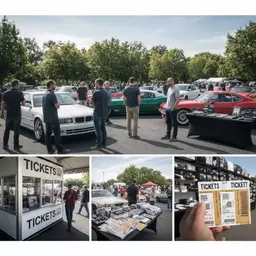
Classic car shows play a vital role in fostering a vibrant restoration culture within the automotive community. They provide a platform for enthusiasts to showcase their hard work and creativity while connecting with like-minded individuals. At these events, you can:
Network with fellow restorers and share tips and tricks
Gain inspiration from others’ projects and innovative techniques
Attend workshops and demonstrations on the latest restoration tools and practices
Discover new products and services from vendors that cater to restoration needs
It's exhilarating to step into a venue filled with classic cars, each with its own story and restoration journey. These gatherings not only celebrate the art of restoration but also help build community and support among enthusiasts!
Engaging with the Classic Car Community
The Value of Collaboration in Restoration Projects
Collaboration is essential in the classic car restoration world! Forums, clubs, and online tools facilitate connections and allow enthusiasts to share valuable insights and techniques. Engaging with others can greatly enhance the learning curve and foster a sense of community. Here are some ways to collaborate effectively:
Join local car clubs or online groups dedicated to restoration
Participate in collaborative projects with fellow enthusiasts
Share your expertise through tutorials or workshops
Being part of a community not only enriches your restoration experience but also strengthens our passion for automotive culture!
Encouraging Enthusiasts to Share Their Experiences
I believe that sharing restoration stories creates a rich tapestry of knowledge and support within our community. I invite you to join the conversation at The Auto Enthusiast Hub by sharing your own experiences! Whether it's a challenging restoration project, a hard-earned lesson, or a triumphant success, your story can inspire others.
Plus, engaging with fellow enthusiasts can lead to new friendships and collaboration opportunities! So, what’s your restoration journey? Let’s connect and build a community of shared experiences!
Online Restoration Resources: Building a Knowledge Base for Enthusiasts
To help you on your restoration journey, here are some key online resources that can serve as invaluable tools:
Online forums like ClassicCarRestoration.com for advice and shared experiences
YouTube channels dedicated to restoration techniques and project walkthroughs
Online marketplaces for sourcing parts and tools
Educational sites offering detailed guides and videos on restoration processes
Utilizing these resources can enhance your knowledge and skills, allowing you to tackle restoration projects with confidence!
Frequently Asked Questions About Classic Car Restoration
What is driving the transformation in classic car restoration?
The transformation is driven by a blend of tradition and innovation, including changing consumer preferences for vintage aesthetics with modern functionality, and technological advancements like 3D printing and digital diagnostics.
How are younger car enthusiasts influencing classic car restoration?
Younger enthusiasts are seeking a connection to the past paired with modern functionality and reliability, which drives demand for restorations that integrate modern technology while preserving classic aesthetics.
What role does technology play in modern classic car restoration?
Technology plays a crucial role through innovations like 3D printing for precise part replication, CAD software, and digital diagnostics to identify issues efficiently, enhancing accuracy and efficiency in the restoration process.
What are some anticipated future trends in classic car restoration?
Anticipated trends include increased use of eco-friendly materials, advanced AI diagnostic tools, 3D printing for rare parts, and the integration of smart technology for improved vehicle safety and performance.
How do classic car shows contribute to the restoration culture?
Classic car shows foster a vibrant restoration culture by providing a platform for enthusiasts to showcase their work, network, share knowledge, gain inspiration, and discover new products and services.
Recap of Key Points
Classic car restoration is evolving due to changing consumer preferences and technological advancements.
Younger enthusiasts seek a blend of vintage aesthetics and modern functionality.
Technologies like 3D printing and digital diagnostics enhance the accuracy and efficiency of restoration projects.
Emerging trends include increased use of eco-friendly materials and advanced diagnostic tools.
Classic car shows foster community and collaboration among restoration enthusiasts.
Engaging with the classic car community can significantly enhance the restoration experience.
At The Auto Enthusiast Hub, we are committed to igniting passion for car culture and connecting car lovers everywhere. Our mission is to inspire, share knowledge, and unite enthusiasts in the captivating world of automotive culture, restoration, and technology.


Local Car Key Replacement Services
Classic Car Bodywork Restoration Guide
Finding Event Tickets and Car Parts
Classic Car Paint Color Guide
Selecting Tools for Car Customization