
Key Stages
Bodywork Restoration
- ✓ Rust removal & prevention
- ✓ Panel repair & replacement
- ✓ Surface prep & painting
Each step is crucial for achieving desired outcome.
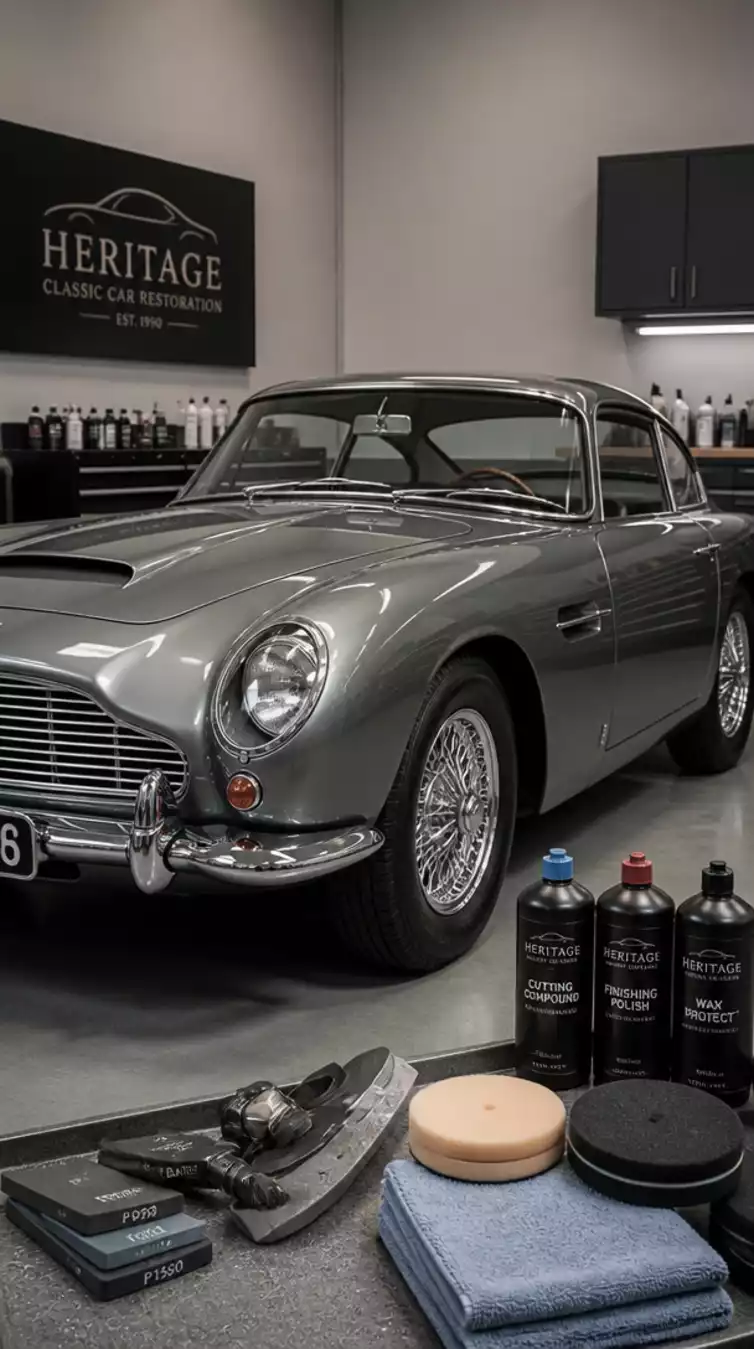
As you embark on the journey of classic car restoration, imagine transforming a rusted relic into a shining masterpiece. What skills and techniques will you need to master along the way? Dive into the world of classic cars and discover the intricacies of bodywork restoration!
The restoration of classic car bodywork involves several key stages and decisions, from addressing damage to choosing between DIY and professional help. Below, we highlight the process and critical considerations.
Each step is crucial for achieving desired outcome.
Every project is a learning opportunity.
Choice depends on skills, budget, complexity.
Celebrates connections, skills, memories.
Classic car bodywork restoration is more than just a hobby; it's a passion-driven journey that many enthusiasts, like myself, embark on. It involves rejuvenating vehicles that have weathered the years, transforming them from rusty relics into shining examples of automotive history. This process not only restores the car's aesthetic appeal but often revives the heart and soul of the machine itself!
Whether you’re a seasoned restorer or a newcomer to the automotive scene, understanding the intricacies of classic car bodywork restoration is essential. It requires a blend of skill, knowledge, and patience as you work through the various stages of getting your vehicle back on the road. For those looking to gain formal training in these skills, various institutions offer courses, such as those found at WCC Automotive Body Repair programs or CPCC Continuing Education for Automotive.
At its core, classic car bodywork restoration is the process of repairing and refreshing the exterior of classic vehicles. This includes addressing rust damage, dents, scratches, and any other imperfections that may have developed over time. Restoration isn’t just about fixing flaws; it’s about preserving the unique character and history of each car.
Each step in this process is crucial for achieving the desired outcome. The goal is to maintain the car's originality while enhancing its overall appearance and functionality.
Restoring classic cars is not just an act of preservation; it’s a celebration of automotive history and culture. Owning a classic car connects us to the past, allowing us to appreciate the craftsmanship that went into these vehicles. For many, like myself at The Auto Enthusiast Hub, it's a way to keep the spirit of these machines alive for future generations.
By restoring a classic car, we contribute to the rich tapestry of automotive culture and ensure that these beautiful machines continue to be admired and loved.
When it comes to classic car restoration, there are a variety of techniques that can be employed, each suited to different levels of damage and types of vehicles. Understanding these techniques is vital for anyone looking to embark on a restoration project. Here’s a brief overview of the most common practices:
With the right approach, these techniques can significantly enhance the look and longevity of your classic vehicle. Are you ready to dive into your restoration adventure? Remember, every scratch tells a story, and every repair is a step towards bringing that story back to life!
As you embark on your classic car restoration journey, what has been the most challenging aspect for you? Is it the rust repair, paint application, or perhaps sourcing original parts? Share your thoughts or experiences with us below:
As you step back and admire your hard work, it’s essential to evaluate the success of your classic car restoration. This phase not only allows you to appreciate the transformation from rust to shine, but it also helps identify areas for improvement in future projects. So, what should you be looking for?
Start by taking a series of "before" and "after" photos. These snapshots serve as a visual reminder of the journey and allow you to see the differences in detail. Have you noticed how a simple angle can reveal the true beauty of your work? Let’s dive into common mistakes to avoid and how to assess your project effectively!
Restoration can be a daunting task, and even seasoned enthusiasts can slip up. Here are some common pitfalls to watch out for:
Reflecting on these mistakes can enhance your skills and lead to more successful restorations in the future. Remember, every restoration project is a learning opportunity!
One of the most significant decisions you’ll face is whether to tackle the restoration yourself or enlist the help of professionals. Each option has its pros and cons:
Ultimately, the choice depends on your skills, budget, and the complexity of your project. I’ve often found that combining both approaches works best—doing what you can and seeking help when necessary.
Nothing fuels your passion like hearing about others’ successful restorations! Many classic car enthusiasts have transformed their vehicles into stunning masterpieces. Here are a few inspiring stories that showcase the power of dedication and creativity:
These stories remind us that restoration isn’t just about the car; it’s about the connections, skills, and memories created along the way. At The Auto Enthusiast Hub, we celebrate these journeys and encourage you to share your own story! What will your success look like?
Here is a quick recap of the important points discussed in the article:
Local Car Key Replacement Services

When a car key crisis strikes, knowing your options can save you time and stress. With reliable serv
Classic Car Bodywork Restoration Guide
As you embark on the journey of classic car restoration, imagine transforming a rusted relic into a
Finding Event Tickets and Car Parts
Every enthusiast knows that the heartbeat of car culture is found in the connections we forge and th
Local Car Key Replacement Services
Classic Car Bodywork Restoration Guide
Finding Event Tickets and Car Parts
Classic Car Paint Color Guide
Selecting Tools for Car Customization