
Originality vs Customization
Decide between factory specifications for historical accuracy and personal style for a unique look. Researching original paint codes is key for authenticity.
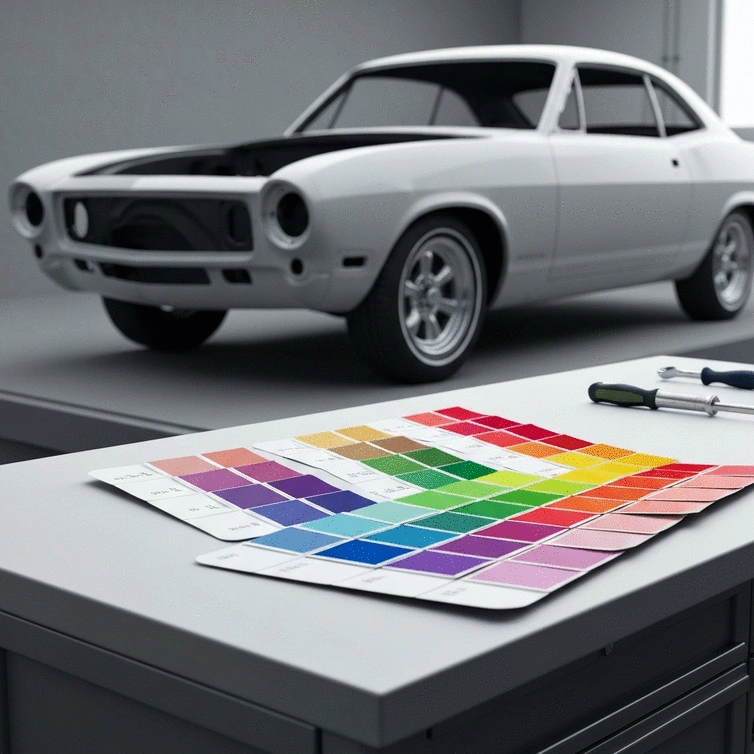
Choosing the right color for your classic car restoration is not just a matter of aesthetics; it can greatly affect the car's value and authenticity. Here are key insights to help guide your decision-making process.
Choosing the right paint for a classic car involves balancing several crucial factors, from preserving authenticity to ensuring durability. The visual below highlights the main decision points in classic car paint selection.
Decide between factory specifications for historical accuracy and personal style for a unique look. Researching original paint codes is key for authenticity.
Understanding complementary, analogous, and monochromatic schemes enhances aesthetics and evokes desired emotions, turning the car into art.
Consider the paint's longevity and always test colors under different lighting conditions to ensure satisfaction and long-term value.
Utilize manufacturer brochures, classic car clubs, and online forums to find accurate paint codes and gain community insights.
When it comes to classic car restoration, the color choice is one of the most essential decisions you'll make. Not only does it affect the car's aesthetic appeal, but it also plays a huge role in its overall value and authenticity. Selecting the right color can transform a vehicle from an ordinary restoration project into a stunning representation of automotive history!
As an automotive enthusiast, I’ve seen firsthand how a well-chosen color can enhance a classic car's character. Whether you’re working on a vintage Mustang or a classic Chevy Bel Air, color selection is more than just a personal preference; it speaks to the story of the car itself.
Choosing the right color for your classic car is important for several reasons:
At The Auto Enthusiast Hub, we believe that understanding these aspects can help you make an informed decision that resonates with your passion for cars and restoration.
When considering paint options, you’ll often face the dilemma of originality versus customization. Originality preserves the car’s history, while customization allows for personal expression. Finding a balance between these two can be tricky but rewarding!
Ultimately, the choice is yours! Consider your vision for the vehicle and how you want it to be perceived on the road.
Understanding color theory can significantly enhance your classic car’s aesthetics. Color can evoke emotions and create visual harmony, which is crucial in car restoration. Think about how different colors can transform the look and feel of your vehicle!
By applying these concepts, you can enhance the overall aesthetic appeal of your classic car, making it not just a vehicle, but a piece of art!
Did you know? Utilizing period-appropriate colors can significantly enhance the value of your classic car restoration. Researching the original paint options available for your model not only honors its history but can also attract collectors who appreciate authenticity. Consider visiting classic car shows or automotive history websites for inspiration and guidance on the best colors to choose!
As we wrap up this exploration of classic car paint, it’s crucial to remember that selecting the right color isn’t just about aesthetics—it's about breathing new life into a piece of automotive history. Color choice can significantly impact the overall vibe of your restoration project. Whether you aim for that showroom shine or a unique twist, the decisions you make now will affect everything from your car's character to its potential resale value.
To summarize our discussion, here are the key considerations to keep in mind when choosing paint for your classic car:
Taking the time to weigh these factors thoughtfully will set you up for a successful restoration that you can be proud of!
Now that you’re equipped with valuable insights about classic car paint, it’s time to take action! The restoration journey can seem daunting, but the good news is that there are plenty of resources available. Here are some steps to kick-start your project:
By utilizing these resources, you can navigate your restoration with confidence and access the expertise you need!
Don't forget about the power of community! Joining classic car forums can connect you with fellow enthusiasts who share your passion. These platforms offer invaluable insights, tips, and encouragement as you move forward with your restoration project. Here are some benefits of getting involved:
At The Auto Enthusiast Hub, we’re all about fostering connections and encouraging the sharing of knowledge. So don’t hesitate to engage with others who share your love for cars!
If DIY isn’t your style or time is of the essence, seeking professional help might be your best option. Here’s how you can find reputable restoration shops:
Choosing the right shop can make all the difference in ensuring your classic car gets the care and attention it deserves. Your dream restoration is just around the corner!
Here is a quick recap of the important points discussed in the article:
Local Car Key Replacement Services

When a car key crisis strikes, knowing your options can save you time and stress. With reliable serv
Classic Car Bodywork Restoration Guide
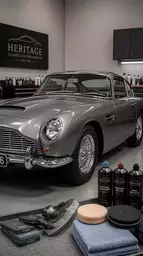
As you embark on the journey of classic car restoration, imagine transforming a rusted relic into a
Finding Event Tickets and Car Parts
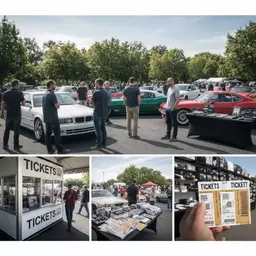
Every enthusiast knows that the heartbeat of car culture is found in the connections we forge and th
Local Car Key Replacement Services
Classic Car Bodywork Restoration Guide
Finding Event Tickets and Car Parts
Classic Car Paint Color Guide
Selecting Tools for Car Customization