
Technological Advancements & EVs
The rise of electric vehicles and innovative tech is reshaping perceptions and driving experiences, becoming desirable alongside classics.
Learn More →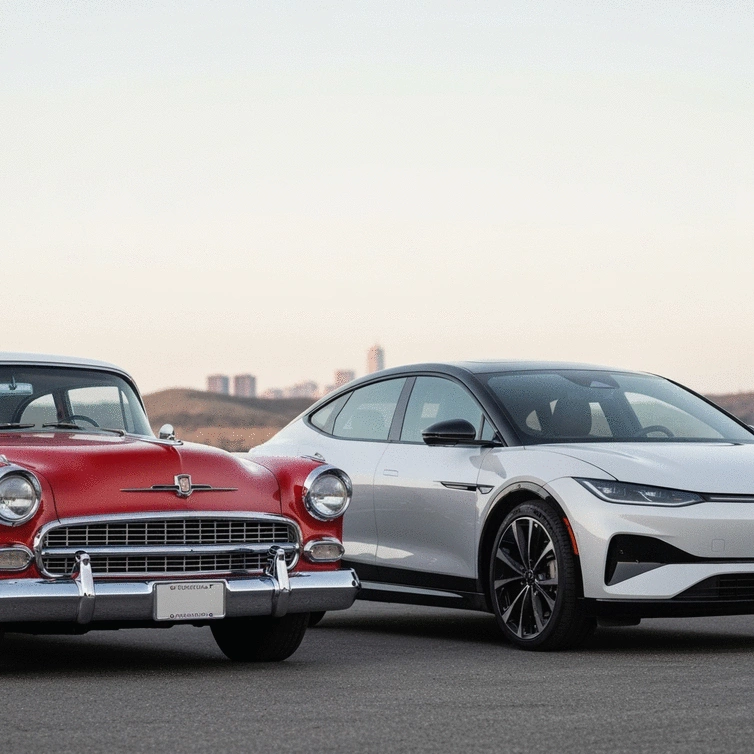
This visual highlights the primary factors shaping the future of car culture, from classic appreciation to modern innovation.
The rise of electric vehicles and innovative tech is reshaping perceptions and driving experiences, becoming desirable alongside classics.
Learn More →Car enthusiasts are embracing eco-friendly practices and fostering inclusive communities that transcend traditional fuel types.
Explore Connections →Provenance, rarity, and condition significantly influence the investment potential and appreciation of vintage vehicles.
View Investment Tips →The art of restoration ensures automotive history is preserved, blending skill, research, and community involvement.
Discover Restoration Guides →Car culture has always been a rich tapestry woven from threads of nostalgia, passion, and community. As I dive into this historical journey, it’s clear that classic cars hold emotional significance for many fans. They aren't just vehicles; they represent cherished memories and shared experiences at gatherings, where enthusiasts come together to celebrate their love for the open road. For a deeper understanding of this rich history, you can explore resources from the Automotive History Review.
Car shows play a pivotal role in fostering this vibrant culture, offering a platform for people to connect, share stories, and showcase their prized possessions. Have you ever walked through a sea of polished chrome and vibrant paint, surrounded by laughter and reminiscing? It truly feels like a family reunion!
At the heart of classic car culture lies a profound sense of nostalgia. Many collectors, including myself, find comfort in the memories associated with these beloved vehicles. Whether it’s a parent’s old muscle car or the first car you ever drove, these machines tell our stories. Here are some key elements that define this community-driven culture:
By attending these gatherings, we not only celebrate our cars but also the friendships forged over time. It's a beautiful reminder that our passion for automobiles can connect us, regardless of age or background.
Beyond their sentimental value, classic cars also hold significant investment appeal. As someone who’s been immersed in this world for over a decade, I’ve seen how the right vintage vehicle can appreciate substantially. This investment potential is shaped by factors such as provenance, rarity, and condition. Let’s explore why these elements matter:
As I delve deeper into the world of classic cars, it becomes apparent that collectors are not just purchasing a vehicle; they are investing in a piece of history. This blend of nostalgia and financial savvy makes classic cars a fascinating aspect of automotive culture. For more insights into the broader history of the automotive industry, the Library of Congress offers valuable resources.
Car restoration is an art form that plays a crucial role in preserving the legacy of classic and vintage vehicles. It’s a process that requires patience, skill, and a deep appreciation for automotive history. I’ve often found myself in awe of the craftsmanship involved in turning a rusted shell into a masterpiece. Here are some essential components of car restoration:
Through restoration, we not only bring old cars back to life but also ensure that their stories continue to be told. It’s a rewarding journey that connects past and present, celebrating the enduring legacy of automotive innovation!
As we reflect on the evolution of car culture, we want to hear from you! How do you feel about the growing presence of electric vehicles in the collector market?
The landscape of car culture is ever-evolving, driven by technological advancements and the shifting values of society. As more people embrace the idea of sustainable transportation, we can expect a profound transformation in the way we view and engage with vehicles. This evolution isn't just about cars; it's about the communities that form around them and the shared experiences that unite us as enthusiasts. For an interesting perspective on how technology impacts societal values and trends, including automotive culture, consider this study on technology and culture.
Consider the rise of electric vehicles (EVs) and how they are changing perceptions among collectors. With their innovative technology and environmental benefits, these vehicles are becoming just as desirable as classic cars. As I interact with fellow enthusiasts at The Auto Enthusiast Hub, it's clear that the passion for cars transcends fuel type; it’s about the love for the automotive lifestyle as a whole.
As we move forward, the integration of technology will continue to shape the future of car culture. Imagine the thrill of driving a classic car with modern tech upgrades, or attending events where both classic and electric vehicles are showcased side by side! It's an exciting time to be part of this community, where tradition meets innovation.
I invite you to be part of this discussion on car culture! Whether you’re a seasoned collector or just starting your journey, your experiences matter. What are your thoughts on the evolution of car culture? How do you feel about the growing presence of electric vehicles in the collector market?
Join us on our social media platforms or forums at The Auto Enthusiast Hub to connect with others who share your passion! Share your stories, insights, and any questions you might have. Let’s celebrate the joy of cars together and explore what’s next for our vibrant community.
Here is a quick recap of the important points discussed in the article:
Local Car Key Replacement Services

When a car key crisis strikes, knowing your options can save you time and stress. With reliable serv
Classic Car Bodywork Restoration Guide
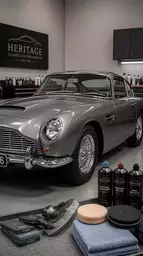
As you embark on the journey of classic car restoration, imagine transforming a rusted relic into a
Finding Event Tickets and Car Parts
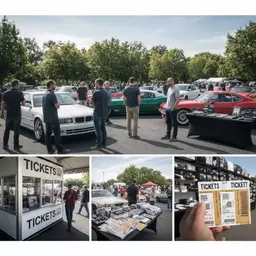
Every enthusiast knows that the heartbeat of car culture is found in the connections we forge and th
Local Car Key Replacement Services
Classic Car Bodywork Restoration Guide
Finding Event Tickets and Car Parts
Classic Car Paint Color Guide
Selecting Tools for Car Customization