
Challenge 1
Parts Availability
Sourcing authentic components can be difficult for rare or out-of-production models.
Solution: Online Communities & Swap Meets
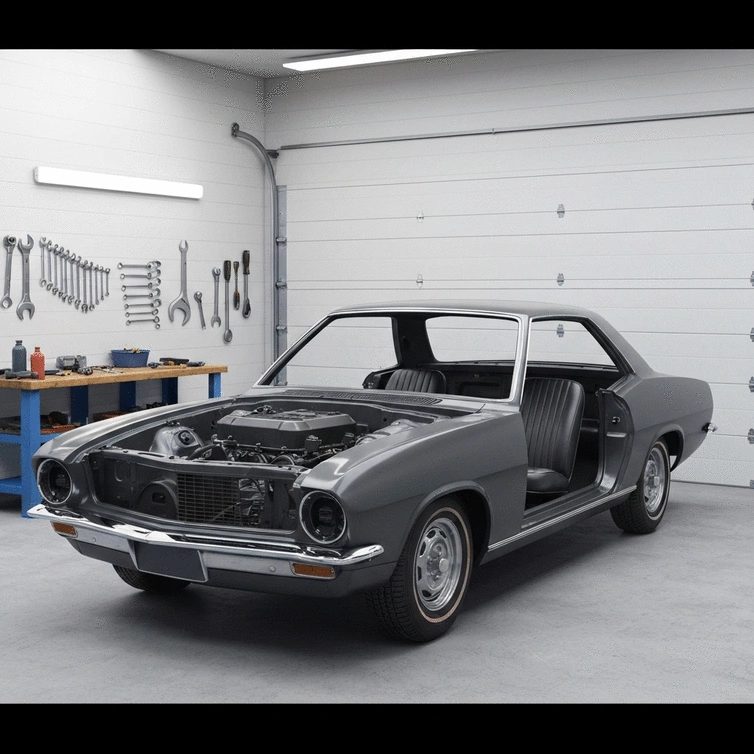
What if each scratch and dent on your classic car tells a story? In the world of car restoration, every detail matters, and understanding the challenges can make your journey even more rewarding. Let’s explore what you’ll learn to navigate this exciting process!
Understanding and addressing common hurdles is vital for a successful classic car restoration. Below are the primary challenges faced by enthusiasts, alongside strategies to overcome them.
Restoring a classic car is a thrilling journey, but it's important to recognize that there are challenges along the way. Understanding these common challenges is essential for a successful restoration process. By identifying potential roadblocks early, you can make more informed decisions and avoid costly mistakes. So, what are some of the key challenges we face in classic car restoration?
Whether you're a seasoned enthusiast or just starting your journey with The Auto Enthusiast Hub, being prepared for these challenges can make all the difference. Let’s dive deeper into why recognizing these challenges is so vital!
When you embark on a classic car restoration, it's like stepping into a time capsule filled with memories and history. Recognizing the challenges allows you to prioritize tasks and allocate resources effectively. By addressing issues such as parts availability and budget constraints upfront, you set yourself up for a smoother restoration journey.
Moreover, the emotional connection we have with classic cars adds another layer of complexity to the restoration process. Each scratch, rust spot, or broken component can evoke feelings of nostalgia and urgency. That’s why staying focused and proactive is crucial! The more you understand the challenges, the better equipped you’ll be to tackle them head-on.
Classic car restoration isn't just about fixing up a vehicle; it's about preserving a piece of art and history. Unlike modern cars, classic vehicles often come with unique quirks and challenges that require a different approach. For instance, the mechanical systems may not be as advanced, but they possess a charm that modern cars simply can't replicate.
There’s an undeniable emotional value tied to classic cars that makes restoration so rewarding. Each vehicle tells a story, whether it’s a beloved family heirloom or a hidden gem you found at a garage sale. Are you ready to uncover the stories behind your own classic car? The journey is just as important as the destination!
One of the most significant challenges in classic car restoration is dealing with parts availability. As time passes, sourcing original or compatible parts for vintage models can feel like searching for a needle in a haystack. This is where knowing where to look becomes essential!
Finding authentic parts can be daunting, especially when you’re working on a rare model or a car that has been out of production for decades. However, with the right strategies, you can successfully track down those elusive components. Here are some tips to help you in your search:
By connecting with fellow enthusiasts, you open up new avenues for sourcing parts and gaining valuable insights into restoration techniques. Remember, the passion of the automotive community can be your greatest ally!
In the quest for classic car restoration, knowing where to find replacement parts can save you both time and money. Here are some recommended resources:
Utilizing these resources can make the search for parts a little less overwhelming. Plus, you might stumble upon some unique components that add character to your restoration project!
When it comes to parts for classic cars, you’ll often face a choice between aftermarket parts and Original Equipment Manufacturer (OEM) components. Each option has its pros and cons, and understanding these can help you make the right decision.
Ultimately, the decision may depend on your restoration goals—whether you're aiming for a perfect restoration or a more budget-friendly approach. Knowing the differences allows you to choose the best fit for your project!
According to a recent survey, 70% of classic car restorers face significant challenges in sourcing parts, and nearly half report that budget constraints hinder their projects. Understanding these hurdles is essential for a successful restoration journey!
As we’ve explored throughout this article, classic car restoration comes with its set of unique challenges. From sourcing authentic parts to tackling rust and structural integrity, understanding these hurdles is essential for any aspiring restorer. Reports from Hagerty highlight that restoration shops continue to face significant challenges, such as a shortage of skilled labor and increasing costs, underscoring the importance of being well-informed. By identifying these challenges, you set yourself up for success and a rewarding restoration journey!
Here’s a quick recap of the major challenges we've discussed:
For each of these challenges, there are effective strategies we’ve highlighted that can help you navigate the restoration process. The classic car market, as detailed by SEMA's Future Trends report, continues to evolve, making it crucial for restorers to stay updated on market dynamics and part availability. Embracing these solutions not only enhances your chances of success but also enriches your passion for classic cars!
When it comes to classic car restoration, knowledge is key! Here are some fantastic resources to support you on your journey:
Engaging with these resources can help you learn more and feel connected to a community of like-minded enthusiasts who share your passion!
While DIY restoration can be incredibly fulfilling, there are times when you might need to call in the pros. Don’t hesitate to seek professional help for areas where expertise is crucial, such as:
Recognizing when to rely on professionals can save you time, money, and frustration, ensuring that your restoration project stays on track and meets your expectations!
One of the best ways to enhance your restoration experience is to join a classic car club. The North America classic car market, as analyzed by Credence Research, continues to grow, fostering a vibrant community spirit. Here are some benefits of becoming a member:
Being part of a community reinforces your passion and provides a network that can be invaluable as you tackle your restoration projects. At The Auto Enthusiast Hub, we believe in the power of connection, and classic car clubs are a fantastic way to foster that sense of community!
Here is a quick recap of the important points discussed in the article:
Local Car Key Replacement Services

When a car key crisis strikes, knowing your options can save you time and stress. With reliable serv
Classic Car Bodywork Restoration Guide
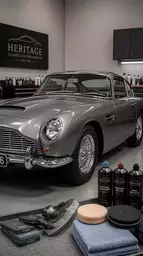
As you embark on the journey of classic car restoration, imagine transforming a rusted relic into a
Finding Event Tickets and Car Parts
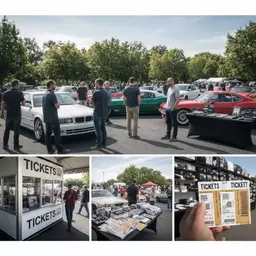
Every enthusiast knows that the heartbeat of car culture is found in the connections we forge and th
Local Car Key Replacement Services
Classic Car Bodywork Restoration Guide
Finding Event Tickets and Car Parts
Classic Car Paint Color Guide
Selecting Tools for Car Customization