
Planning & Patience
A detailed plan is crucial, outlining assessment, budget, tasks, and final touches. Patience is key to overcoming challenges and setbacks.
- Clear expectations & timelines
- Identify tools & materials
- Adjustments for budget
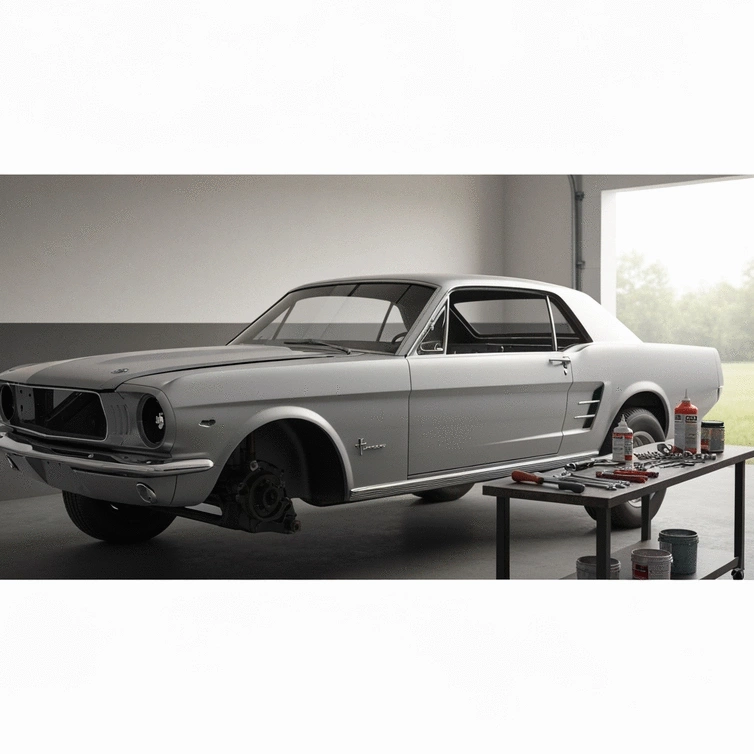
Have you ever wondered what it takes to breathe new life into a classic car? The journey of vintage car restoration is not just about mechanics; it’s about passion, history, and the joy of creation. In this article, we’ll explore the essential elements that make restoration both an art and a community experience.
This visual outlines the key stages and considerations in vintage car restoration, from planning to sustainability.
A detailed plan is crucial, outlining assessment, budget, tasks, and final touches. Patience is key to overcoming challenges and setbacks.
Bringing an older vehicle back to its former glory involves comprehensive steps from disassembly to final assembly.
Integrating eco-friendly practices ensures preservation of automotive history while being environmentally conscious.
Accessing various resources and engaging with the community helps enthusiasts enhance their skills.
As a fellow automotive enthusiast, I can attest to the unique charm of vintage car restoration. There’s something truly special about bringing an old car back to life. Vintage car restoration isn’t just a hobby; it’s an art form that connects us to our automotive heritage. Whether it’s a classic Mustang or a vintage Volkswagen Beetle, restoring these beauties allows us to cherish their history while creating something uniquely ours.
When diving into the world of restoration, it’s essential to understand what it truly entails. At The Auto Enthusiast Hub, we celebrate the journey each enthusiast embarks upon, filled with challenges, triumphs, and unforgettable moments. So, what exactly does vintage car restoration involve?
Vintage car restoration is the process of bringing an older vehicle back to its former glory. This can involve everything from mechanical repairs to aesthetic upgrades. Restorers often start by disassembling the car to examine its condition thoroughly. This step helps identify areas needing attention, whether they’re rusted body parts or worn-out mechanical components.
Restoration might also include sourcing authentic parts to maintain the vehicle's original design. This dedication to detail is what makes vintage restoration so rewarding! Each restored car tells a story, reflecting both its past and the passion of the person who revived it. For more detailed insights into the process, you can explore resources like Wikipedia's overview on the conservation and restoration of road vehicles.
Choosing to restore a classic car is often a personal journey. Many enthusiasts, like myself, find joy in the challenge and satisfaction of reviving a piece of automotive history. Restoring a classic vehicle can be a fulfilling way to bond with family and friends, especially when sharing the experience with fellow car lovers.
Not only does the process bring remarkable joy, but it also fosters a sense of community. You’ll find likeminded individuals who share your passion and can offer support and advice along the way. So, whether you’re looking to create a showstopper or simply restore a reliable driver, the journey is incredibly enriching. Organizations like SEMA's Automotive Restoration Market Organization (ARMO) provide valuable resources and networking opportunities for those involved in automotive restoration.
Vintage cars represent more than just vehicles; they serve as a window into our past. Each model tells a story about the era it was created in. By restoring these cars, we not only preserve their legacy but also keep their stories alive for future generations. Imagine cruising down the road in a vintage car—it’s an experience that connects us to a rich automotive culture.
Moreover, restoring these cars helps maintain a part of history that might otherwise fade away. Enthusiasts play a vital role in ensuring that the craftsmanship and ingenuity of past automotive innovations are not forgotten. Through restoration, we keep the spirit of these classic vehicles thriving in a modern world. Information on registering reconstructed classic vehicles can be particularly useful for ensuring these historical pieces remain road-legal.
When restoring a vintage car, always document your progress! Taking photos and notes at each stage not only helps you track the work you've done but also serves as a valuable reference for future projects. Plus, it’s a great way to showcase your journey to fellow enthusiasts!
When it comes to vintage car restoration, planning is not just an option—it's a requirement! A detailed restoration plan serves as the roadmap for your project, helping to navigate through the intricate process of bringing a classic car back to life. This plan should outline every aspect from initial assessment to the final touches, ensuring that each step is thoughtfully considered.
With a solid plan in hand, you can break down the restoration into manageable parts. This approach not only keeps you organized but also allows you to tackle challenges as they arise. Remember, every restoration journey is unique, and having a flexible plan can make all the difference.
By adhering to your restoration plan, you’ll find it easier to stay on track and motivated. Just like building a community at The Auto Enthusiast Hub, planning fosters connection and collaboration. Engaging with fellow enthusiasts can provide inspiration and support throughout your journey.
Patience is equally important when restoring a vintage car. There will be challenges—perhaps a part you ordered isn’t the right fit, or you encounter unexpected rust damage. Staying committed through these hurdles will not only test your resolve but also deepen your appreciation for the craft.
Whenever I face obstacles in my projects, I remind myself that each setback is an opportunity to learn and grow. Embrace the process, and don't hesitate to reach out to your community for advice. After all, the vibrant community at The Auto Enthusiast Hub thrives on shared experiences and support!
As we dive into the world of vintage car restoration, it's essential to keep sustainability in mind. Many enthusiasts, including myself, are passionate about not only reviving classic cars but also preserving our environment. Implementing eco-friendly practices can help us achieve both goals without compromising the integrity of our projects.
By adopting these eco-friendly practices, we can contribute to a more sustainable future while still indulging in our love for classic cars. It's a win-win, and it can even become a talking point among fellow enthusiasts!
Restoration isn't just about revitalizing a car; it's about preserving its history and legacy. As we bring vintage cars back to life, we must also recognize our role as custodians of automotive heritage. Balancing restoration with environmental responsibility allows us to celebrate the past while respecting the future.
Next time you dive into a restoration project, consider how your choices can impact both the car's legacy and the environment. Together, we can create a community of car enthusiasts who value sustainability as much as we value style and performance!
Now that you have a clear understanding of the importance of planning and sustainability, it’s time to take the next steps on your vintage car restoration journey! Each step brings you closer to transforming that classic beauty into something truly special. Let's get started!
Developing a personalized checklist ensures that no detail is overlooked during your restoration project. A well-structured checklist includes:
By customizing your checklist, you can keep track of what needs to be done while also adapting to any surprises along the way. Plus, it’s a great way to stay organized and motivated!
Continuous learning is vital in the world of vintage car restoration. There are a plethora of resources available to help you enhance your skills:
These resources can provide both foundational knowledge and advanced techniques, making the restoration process more enjoyable and educational. Remember, The Auto Enthusiast Hub is here to support you with valuable insights and connections!
Lastly, don't forget to engage with the classic car community by attending auctions and shows! These events are fantastic opportunities to meet other enthusiasts, learn more about trends in the market, and even find inspiration for your restoration project.
Whether you’re buying parts, selling your own, or simply showcasing your completed project, these gatherings are a celebration of automotive culture. So mark your calendar and join the excitement—your journey in vintage car restoration is just beginning!
Here is a quick recap of the important points discussed in the article:
Local Car Key Replacement Services

When a car key crisis strikes, knowing your options can save you time and stress. With reliable serv
Classic Car Bodywork Restoration Guide
As you embark on the journey of classic car restoration, imagine transforming a rusted relic into a
Finding Event Tickets and Car Parts
Every enthusiast knows that the heartbeat of car culture is found in the connections we forge and th
Local Car Key Replacement Services
Classic Car Bodywork Restoration Guide
Finding Event Tickets and Car Parts
Classic Car Paint Color Guide
Selecting Tools for Car Customization